
Introduction:
In the ever-evolving world of startups, the quest for uniqueness and sustainable market advantage is a constant battle. As fledgling businesses strive to carve their niche and outperform competitors, securing a monopoly becomes an enticing prospect. One potent weapon in their arsenal is the strategic utilization of patents. Patents safeguard novel ideas and inventions and pave the way to an exclusive market dominance that can propel startups to the summit of success.
Patents for startups:
To obtain a patent for your startup, To safeguard your idea or creation, you must adhere to a precise procedure. For a certain time, usually 20 years, patents provide the inventor the only right to make, use, sell, or import the invention; this prevents anyone from doing so without the creator’s consent. Here is a broad breakdown of the procedures:
1. Determine Patentability:
Make sure your creation satisfies the requirements for patent protection. It must be original, obscure, and practical. Perform a comprehensive patent search to see whether a related innovation is currently on the market.
2. Document Your Invention:
Make thorough documentation of your innovation, describing its layout, purposes, and any special characteristics. Having access to these documents will be essential when applying for a patent.
3. Choose the Right Type of Patent:
There are several kinds of patents, including utility patents (for novel methods, apparatus, or material compositions) and design patents (for novel decorative designs). Choose the kind that best fits your innovation.
4. Prepare and File the Patent Application:
It is often better to obtain the help of an experienced patent attorney or agent since writing a patent application may be challenging. They may assist in creating a complete application, improving your chances of being accepted.
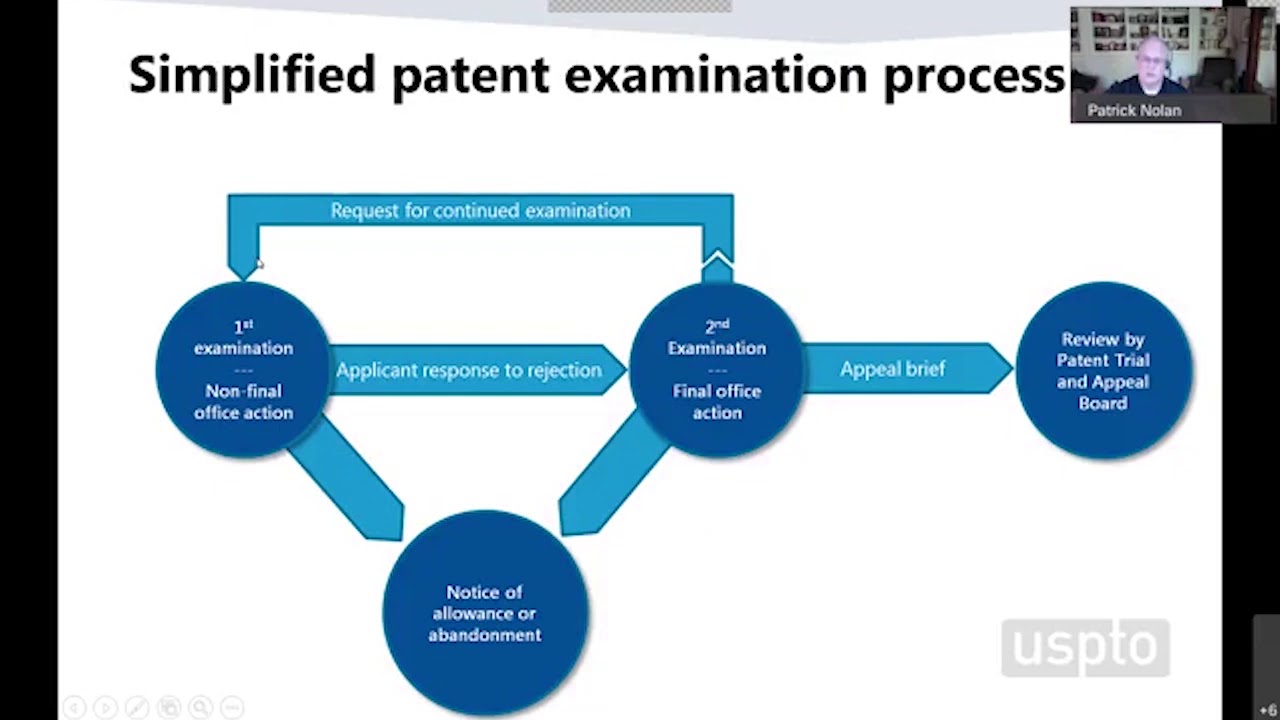
5. Patent Examination:
After submitting your application to the appropriate patent office (e.g., United States Patent and Trademark Office, European Patent Office, etc.), it will go through an examination process. The patent examiner will review.

6. Patent Office Actions:
The patent office will often publish an office action, which may include rejections or requests for changes. You will have the chance to react to these acts with the help of your lawyer and make the required changes to improve your application.
7. Patent Grant or Rejection:
The patent office will award your patent if your patent application complies with all standards and your answers are satisfactory. Otherwise, they may reject your application if they are not persuaded by the novelty or lack of obviousness of your innovation.
8. Maintenance:
After receiving a patent, you must continue to pay maintenance costs for the course of the patient’s whole life.
How to Obtain a patent for Your Startup?
Introduction:
Patents are essential for safeguarding your intellectual property and guaranteeing the success of your company. We’ll take you step-by-step through the process of getting a patent in this blog, arming you with the information you need to protect your innovation and provide a solid groundwork for the expansion of your firm.
- Understanding the Power of Patents for Startups:
We’ll go into detail about the importance of patents for startups. Learn the benefits of getting a patent and how it may provide your company a competitive advantage. Discover the many patent categories and choose which one is the most appropriate for your original creation.
2. Identifying Patentable Ideas: Nurturing Innovation:

Finding patentable ideas inside your business is the first step to patent success. We’ll talk about what qualifies an idea for patent protection and how to do a quick patent search to make sure it’s unique. You will be put on the right track to making the most of your imagination by reading this chapter.
3. Crafting Your Patent Application: From Idea to Documentation”
Discover the vital elements to include, the best ways to explain your idea, and the need for thorough documentation. We’ll also provide advice on how to effectively showcase the ingenuity of your business.
4. Navigating the Patent Filing Process: Where and How to Submit”
‘Although submitting a patent application might be challenging, don’t worry! We’ll explain the procedure to you and provide you with instructions on where and how to submit your application. This chapter will guarantee that the patent journey of your business is on the proper course, from selecting the appropriate patent office to navigating numerous filing alternatives.
5. The Patent Examination Process: Responding to Challenges:
After you submit your application, it is reviewed by patent specialists. Discover what to anticipate at this stage, how to handle probable difficulties or rejections, and the value of patience throughout the procedure. You will be given the skills in this chapter to get past obstacles and go one step closer to getting your patent approved.
6. Keeping the Magic Alive: Maintaining Your Patent”
We’ll discuss the importance of maintaining your patent through regular fees and compliance with patent laws. Ensuring your startup’s invention remains protected for the full term of the patent is vital for long-term success.
Conclusion:
By carefully reading our detailed instructions on how to get a patent for your firm, you are now ready to start on this life-changing path. Patents are effective instruments for protecting your invention and laying a strong basis for the expansion of your business. Remember that knowing the process, carefully documenting your idea, and getting expert advice when necessary are the keys to success. Wishing you luck as you pursue patent success!


Awesome
thanks
Great, words value more than thought
thanks for your response and apricate
Very informative and awesome content, I have never seen like this blog in my life before. Amazing
thanku so much
Very well explained. Great piece of content
thanks for your support and apricate
We really appreciate …awesome and helpfull words
thanks its my job
The way you explained a complex topic in an easy-to-understand way is really impressive.
Such a helpful article this is.
You presented it really well.
thanku mam.
awesome website i learning so much things
thanks sir, its my job
Patent your ideas before you discuss them with anyone. Especially if you think it has scalability potential. Good job
thanks
Your site’s position in the search results https://zetds.seychellesyoga.com/info
Free analysis of your website https://zetds.seychellesyoga.com/info
SEO Optimizers Team https://zetds.seychellesyoga.com/info
I offer mutually beneficial cooperation https://zetds.seychellesyoga.com/info
Cool website. There is a suggestion https://zetds.seychellesyoga.com/info
I really liked your site. Do you mind https://zetds.seychellesyoga.com/info
Here’s what I can offer for the near future https://zetds.seychellesyoga.com/info
You will definitely like it https://zetds.seychellesyoga.com/info
Content for your website https://ztd.bardou.online/adm
Web Development Wizards https://ztd.bardou.online/adm
Can provide a link mass to your website https://ztd.bardou.online/adm
Your site’s position in the search results https://ztd.bardou.online/adm
Free analysis of your website https://ztd.bardou.online/adm
SEO Optimizers Team https://ztd.bardou.online/adm
I offer mutually beneficial cooperation https://ztd.bardou.online/adm
I really liked your site. Do you mind https://ztd.bardou.online/adm
Here’s what I can offer for the near future https://ztd.bardou.online/adm
Content for your website https://ztd.bardou.online/adm
Content for your website https://ztd.bardou.online/adm
Web Development Wizards https://ztd.bardou.online/adm
Can provide a link mass to your website https://ztd.bardou.online/adm
Your site’s position in the search results https://ztd.bardou.online/adm
Free analysis of your website https://ztd.bardou.online/adm
SEO Optimizers Team https://ztd.bardou.online/adm
I offer mutually beneficial cooperation https://ztd.bardou.online/adm
Cool website. There is a suggestion https://ztd.bardou.online/adm
Web Development Wizards http://myngirls.online/
Can provide a link mass to your website http://myngirls.online/
Your site’s position in the search results http://myngirls.online/
Free analysis of your website http://myngirls.online/
SEO Optimizers Team http://myngirls.online/
I offer mutually beneficial cooperation http://myngirls.online/
Web Development Wizards http://fertus.shop/info/
Can provide a link mass to your website http://fertus.shop/info/
Your site’s position in the search results http://fertus.shop/info/
Free analysis of your website http://fertus.shop/info/
SEO Optimizers Team http://fertus.shop/info/
I offer mutually beneficial cooperation http://fertus.shop/info/
Cool website. There is a suggestion http://fertus.shop/info/
I really liked your site. Do you mind http://fertus.shop/info/
Here’s what I can offer for the near future http://fertus.shop/info/
You will definitely like it http://fertus.shop/info/
The best prices from the best providers http://fertus.shop/info/
Additional earnings on your website http://fertus.shop/info/
Analytics of your website http://fertus.shop/info/
How to contact the administrator on this issue http://fertus.shop/info/
Shall we exchange links? My website http://fertus.shop/info/
The offer is still valid. Details http://fertus.shop/info/
We offer cooperation on SEO optimization http://fertus.shop/info/
Content for your website http://fertus.shop/info/
Web Development Wizards http://fertus.shop/info/
Your site’s position in the search results http://fertus.shop/info/
Web Development Wizards http://fertus.shop/info/
Your site’s position in the search results http://fertus.shop/info/
SEO Optimizers Team http://fertus.shop/info/